




tomuk
Members
-
Joined
-
Last visited
Everything posted by tomuk
-
-
-
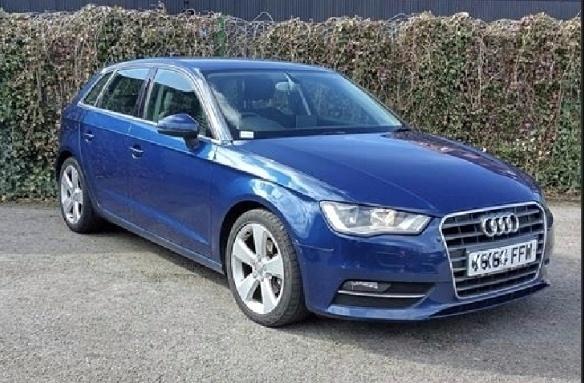
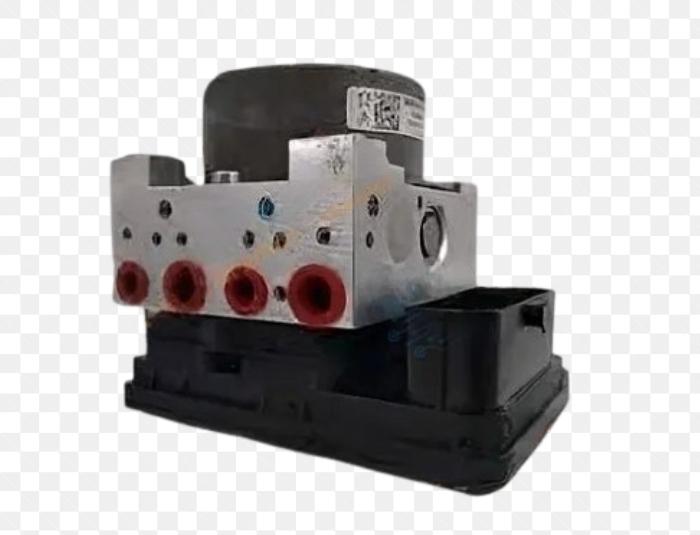
More research. The ATE MK100 is a common ABS (Anti-lock Braking System) and ESP (Electronic Stability Program) control module manufactured by Continental (under the ATE brand), often found in vehicles from brands like Volkswagen, Audi, BMW, Seat, Skoda, and others from around 2012 onward. A "pump fault" typically refers to issues with the hydraulic pump motor within the unit, which is responsible for building and modulating brake pressure during ABS or stability control events. Common Symptoms One or more brakes locking up or binding (e.g., not fully releasing after braking), which can cause overheating or uneven wear. ABS warning light illuminated on the dashboard, often accompanied by traction control or ESP lights. No brake pressure to specific wheels, leading to pulling during braking or reduced stopping power. The pump motor running continuously or erratically, sometimes draining the battery. Fault codes stored in the vehicle's diagnostic system, such as: 113: Pump motor fault or motor relay faulty. 5DF0: Pump motor failure. 5DF5: Internal error in control unit. C1380: Pump motor fault or solenoid valve internal fault. 24096 or 24100: Brake pressure sensor fault (often related to pump issues). These problems stem from a known design flaw in the MK100 unit, where internal components like the pump motor, relays, or valves degrade over time due to wear, corrosion, or manufacturing weaknesses.91f3a9ca4138fa49ff Causes Age and mileage: High-mileage vehicles (e.g., over 100,000 km) are prone to this, as the pump motor brushes wear out or the unit's solder joints fail. Environmental factors: Exposure to moisture, road salt, or heat can accelerate corrosion in the hydraulic control unit (HCU). Electrical issues: Faulty relays, wiring, or sensors (like wheel speed or brake pressure sensors) can trigger pump malfunctions. In rare cases, it's linked to software glitches or integration issues in specific models, like liquid-cooled variants in some BMWs. It's not uncommon in models like the VW Golf, Audi A3/S3, BMW 3 Series, or Mazda vehicles equipped with this system.28d2e0f00a7b3e6d42 Diagnosis Use an OBD-II scanner or professional diagnostic tool (e.g., VCDS for VW/Audi or INPA for BMW) to read fault codes from the ABS module. Check for physical signs: Listen for unusual pump noises, inspect brake fluid levels and condition, and test wheel speed sensors for consistency. Perform a road test to replicate symptoms like brake binding or ABS activation. If the pump runs non-stop, it could indicate a stuck relay or sensor issue—avoid driving if brakes are compromised for safety. Professional mechanics often recommend scanning first, as DIY fixes can be tricky due to the integrated ECU (electronic control unit) and HCU. Repair Options Specialist Rebuild/Repair: The most common and cost-effective fix is sending the unit to a remanufacturing service. They disassemble, replace faulty components (e.g., pump motor, valves, or circuit board), and test it. Costs typically range from $200–$600, with a lifetime warranty from reputable shops. This avoids buying a new OEM unit, which can exceed $1,000–$2,000 plus labor. Replacement: If repair isn't viable, source a remanufactured or new MK100 module matched to your vehicle's part number (e.g., via OEM or aftermarket). Coding/programming to the car is usually required using dealer-level tools. DIY Considerations: Basic checks like bleeding brakes or replacing sensors might help minor issues, but pump faults often need bench testing or soldering expertise. Videos show motor replacement, but improper handling risks further damage or safety issues. Avoid ignoring it: Untreated faults can lead to brake failure or void warranties. For your specific vehicle, provide the make/model/year for more tailored advice. If it's under recall (some VW/Audi models have had ABS-related campaigns), check with the manufacturer.b74a182b5d85a4164c125bf743381aTook it in thinking a sticky caliper or need for service. Garage did discs and pads and then reports 4 way binding on brakes on test drive. Why would a car bind on all brakes? ABS fault does make sense to me. But welcome any other input. A few places offer to take an ABS module and refurb. That is what my guys want to do. But it's a few £Would anyone give me some thoughts on my A3 which has thrown me a curve ball today. 2014 Audi 1.4 TFSI. Went in for brake service. Garage is telling me it's binding on all four corners. New disks and pads done. Then they sent it on test and reported the above... I read about ABS module can go. Would this be best first check? Garage wants 500 for this check. Im seing that ABS service to module is 200 in a few places. Has anyone else had similar to this? Is this any sort of known issue?