




Andy33
Members
-
Joined
-
Last visited
-
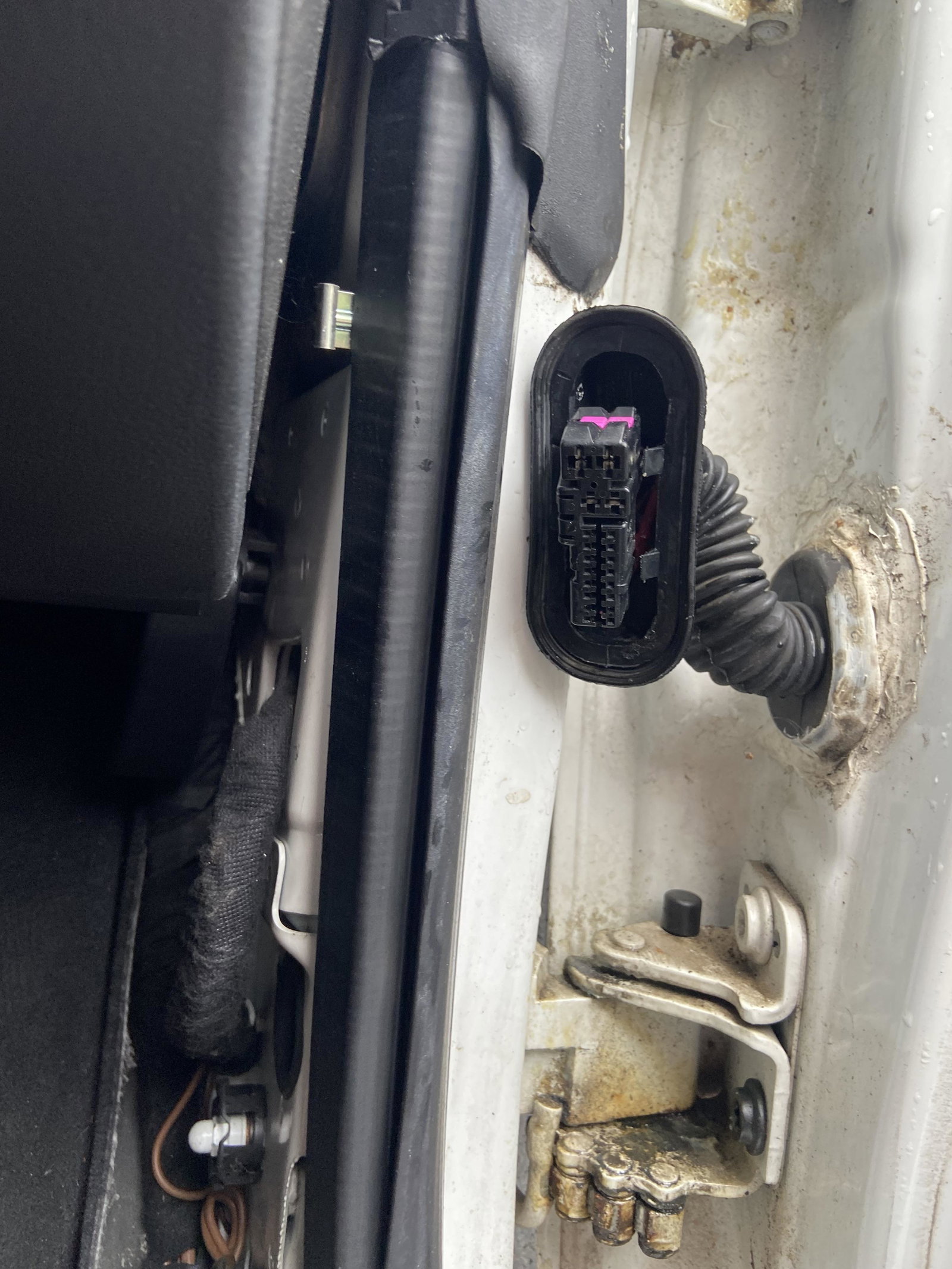
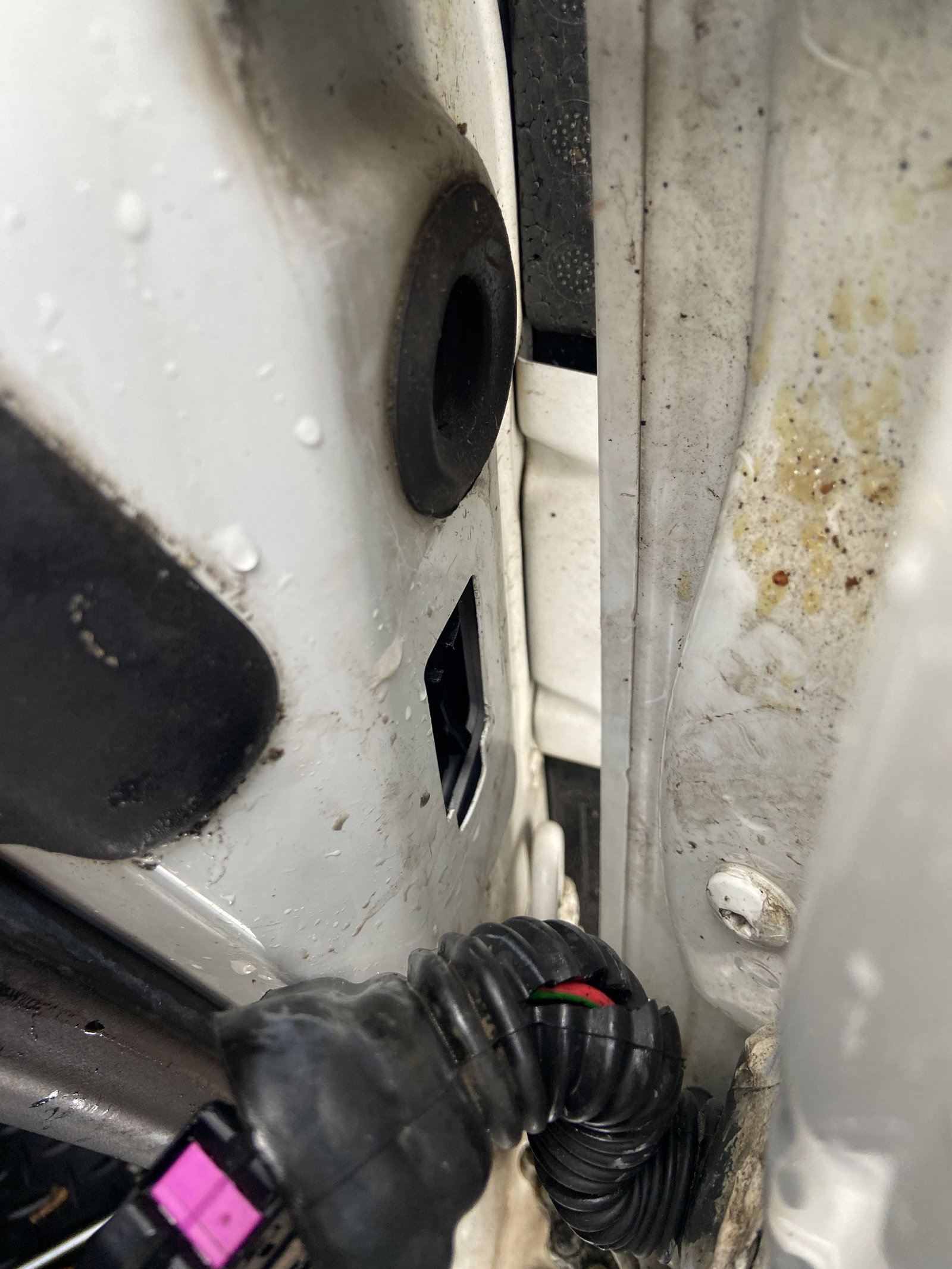
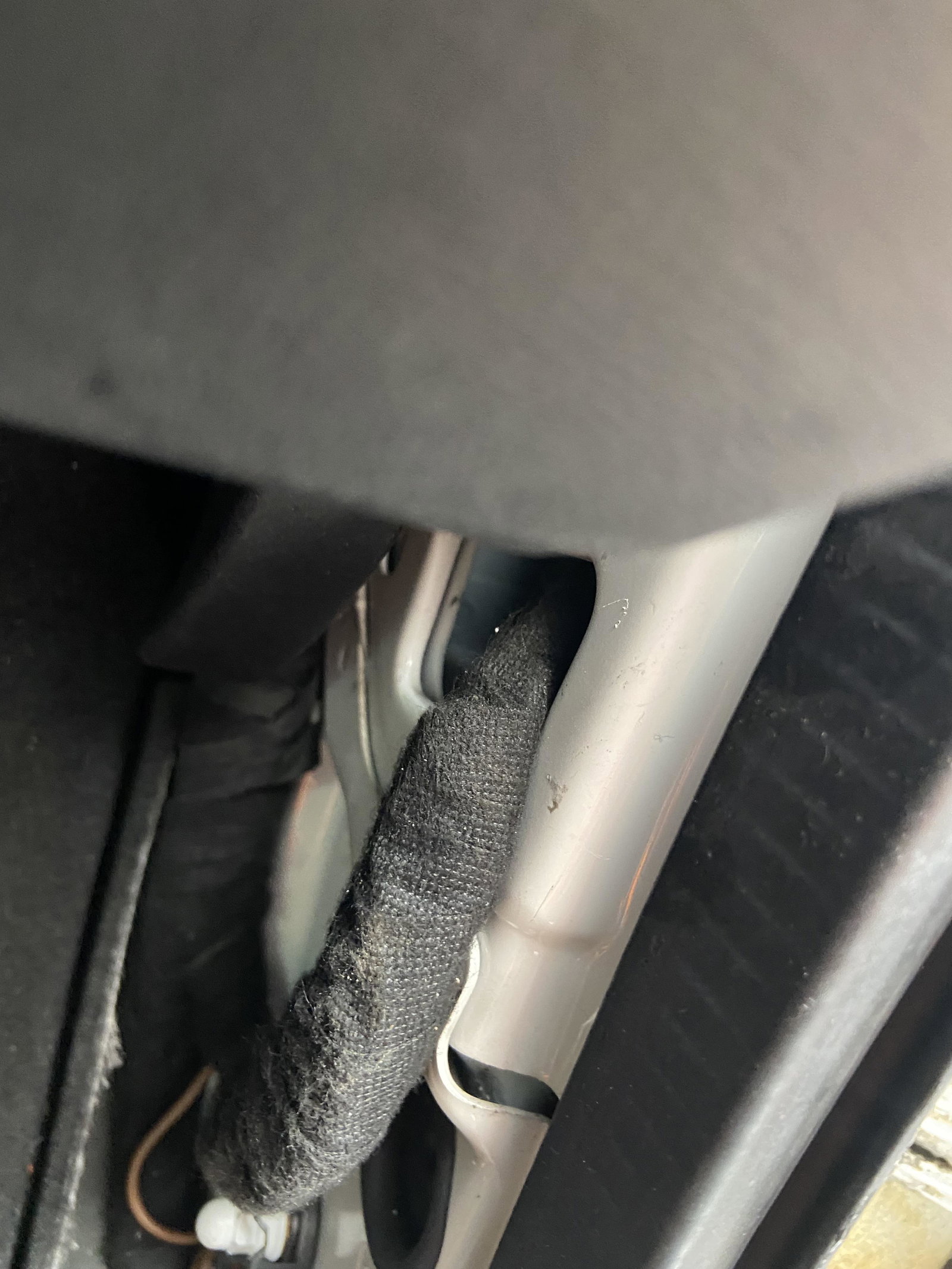
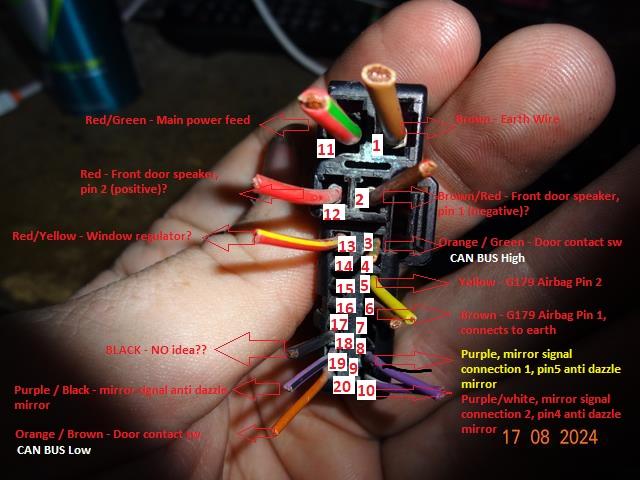
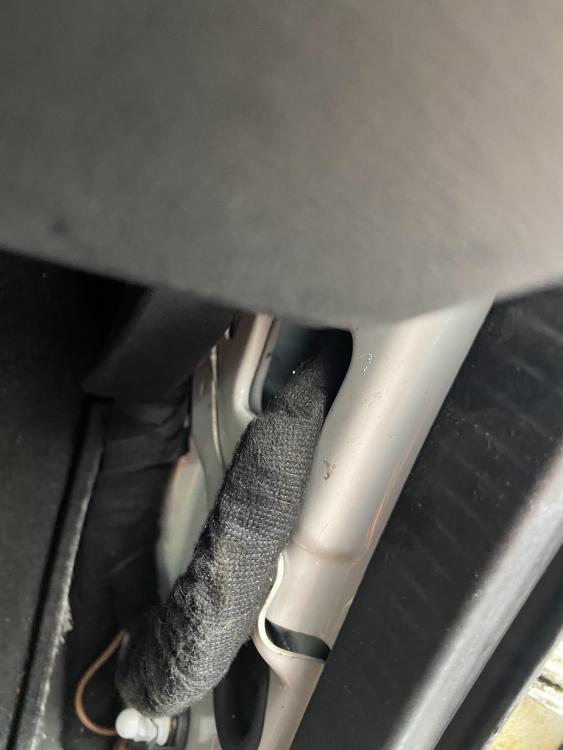
Unfortunately, I've had no replies but I can partly answer my own query though it's not good news for anyone else encountering this difficult problem. I removed the wheel arch liner and there is, in fact, a polystyrene filler piece that can be unscrewed and removed which you might hope would give access to the inside of the door pillar. But it doesn't! It also looks to be virtually impossible to cut a larger hole from inside once the footwell kicker panel has been removed without making a dreadful mess. So I haven't made any progess. I am totally stumped as to how this particular wiring loom socket is pressed into its position from inside the door pillar during manufacture. I can only think that it's at a very early stage before the facia panel etc is installed. Fortunately my son who is nimbler and stronger was able to remake the plug and socket connection using screwdrivers as a lever. The locking part is re-enabled and the windows and speaker work, however, the door electrics are still a mess. I'm not yet sure this poor plug-and-socket connection isn't the root of all the problems since all the wires I've been able to test so far have continuity (I pushed back the boot so it tests just the first few inches). I've also got the door card off and the speaker out and the wiring loom so exposed looks perfect. So my next step is to remove the binding to wiring loom both inside the car footwell and where the door loom goes into the window winder motor/controller unit, i.e. test all the wiring from leaving the car body to entering the door control unit One thing I've discovered that this old man from pre-canbus days finds odd. It might interest other potential DIYers out there. In my particular 2009 version of the A3 8P7 there are 11 wires in the door plug - it's a pretty basic version and I understand that others fitted with some other electrical options may have more. Nine of these can be simply accounted for in the old-fashioned way as simple connections for power, earth, speaker, windows and airbag (see picture). Apparently, there are none directly for door locks. There are, however, two very, very thin multi-coloured wires for Canbus LOW and Canbus HIGH. Yet the plug into the door lock itself has far more pins (9 in my case) though I understand that it's probably only 6 of them that actually connect to microswitches and so on. So somewhere inside the door itself the number of wires to operate door locks grows magically from two to at least six! The window winder motor/controller assembly is clearly an important little computer on its own. There appears to be nothing wrong with my Canbus wires and all the door locking trouble that I and many other owners experience with these ageing Audis (and I imagine the equivalent VAG cars) may actually be due to breaks in apparently totally unrelated wiring for airbags, mirrors or windows! That's the magic of a Canbus system: one bad, all bad. Such is progress. I have to say I'm not finding my lovely A3 convertible A3 easy to own or work on so far! When she's good, she's very, very good but .....
-
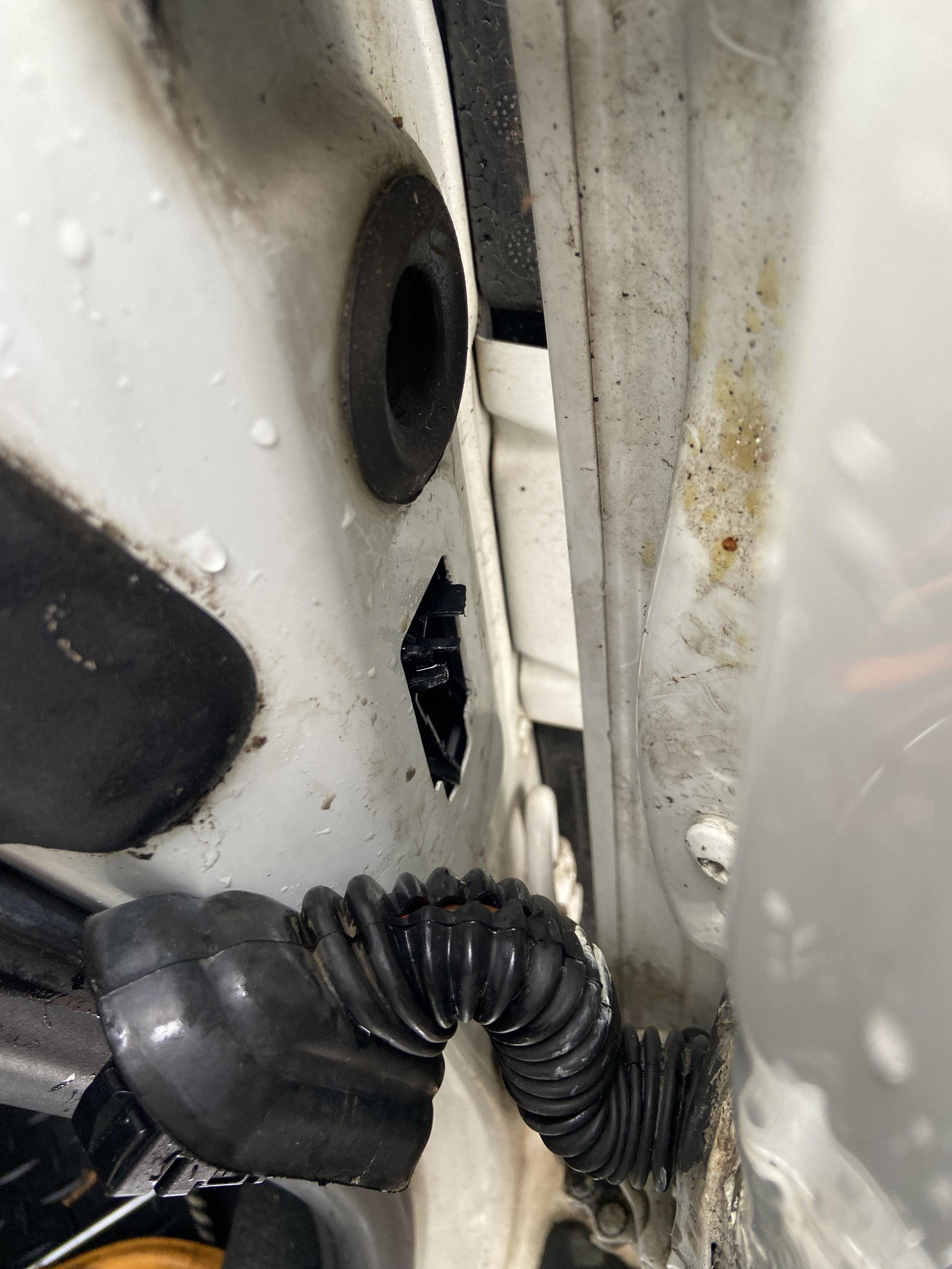
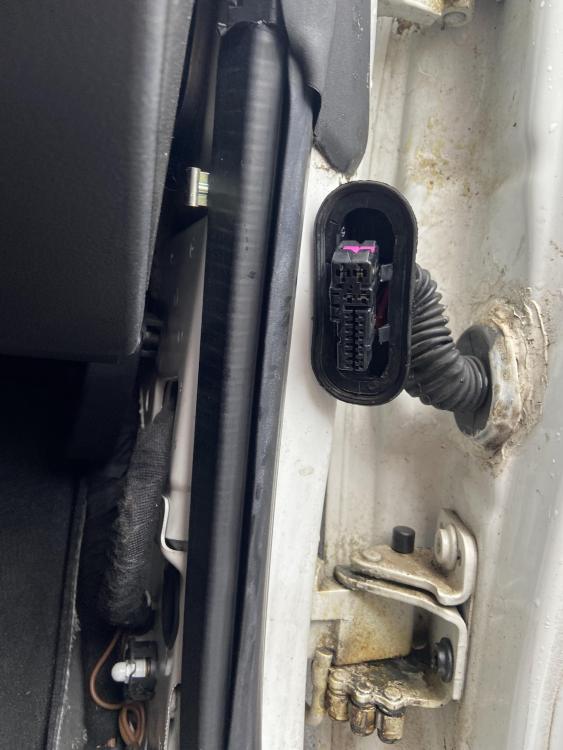
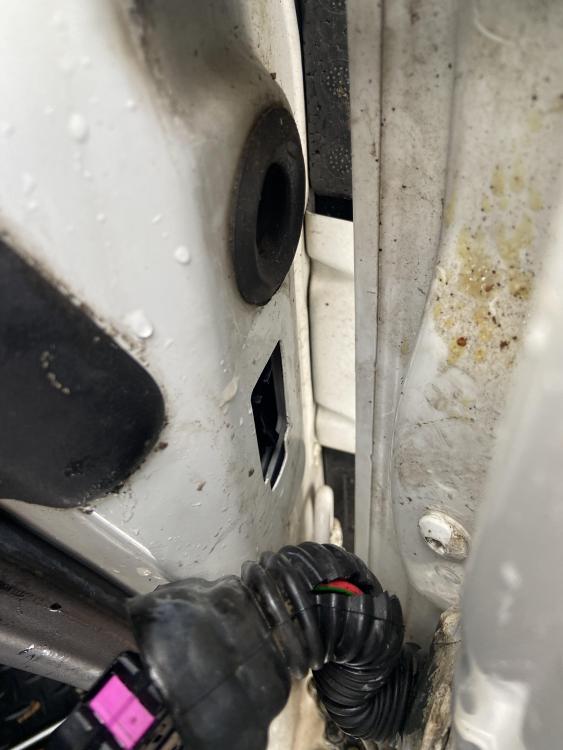
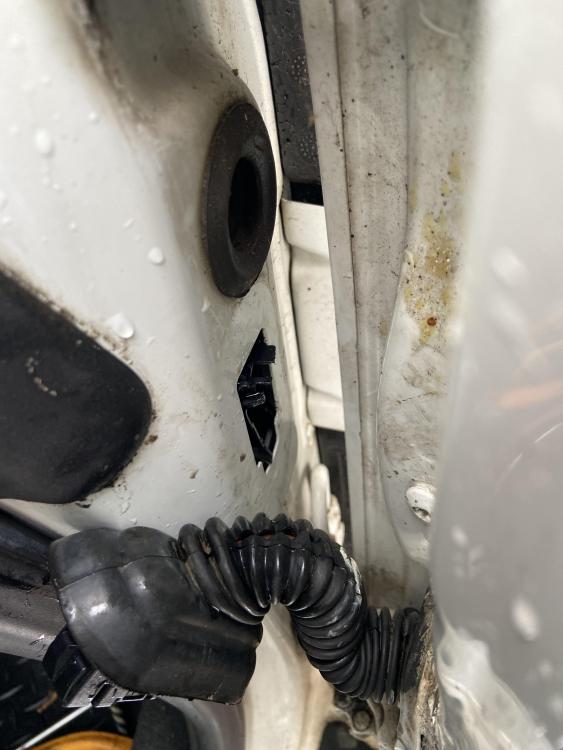
I've got door lock problem again but much worse this time. It's a 2009 Audi A3 8P7 cabriolet with 1.8 tfsi. I'm desperately hoping someone familaiar with Audi 8P7 and/or Mk 6 Golfs knows a solution. My problem is that some previous ham-fisted owner has broken the female part of the driver's (RHS) door pillar connection. So much so that the whole socket asembly has pushed back into the door pillar. There is little of no access from within the car because it's hidden within two sheets of steel. The result is I can't reconnect the door pillar plug securely into the door pillar socket. Reaching into the hole inside the footwell wth screwdrivers etc. doesn't help very much. I need a way to be able to push the socket firmly from behind so I can push the plug into the loose socket (or better still, replace the damaged socket completely). Can I get access from within the wheel arch if I remove the liner? What else can I do?
-
Yes, I did progress reasonably successfully thanks Magnet. I waited a while before reporting back because I've done only low mileage with the Audi, my second 'sunny day car'. I posted on my partial success in September. Basically, my experience is that the cylinder soak method is at least a partial cure although I'm enough of an engineer to know that the real solution is to upgrade pistons and oil control rings. However, I'm an 80 year old pensioner and this is a 16 year old £2,000 car! I still think the response on this forum that nothing could be done without a new engine or at least new pistons was incredibly unhelpful. As a moderator I think you should consider 'moderating out' that sort of ignorance! Any fool can recommend a new engine. Surely an owners' forum is for helpful comment gained from experience, not parroting an Audi dealer? 30 minutes searching on the internet will reveal that loads of engines from that period suffered from high oil consumption due to sticky oli control rings, even including some from the much-lauded Mercedes and Lexus. I think it was a sort of fashion at that tme in the early 2000s to design engines with less springy piston rings with the aim of reducing internal friction and hence increasing the all-important MPG. It seems they later learned how to do it better. This is the sort of more informed feedback I believe an owners' forum is for. I hope you might bear this in mind in future.
-
Thank you for those comments though, as a petrolhead myself, I'm already aware that excessive oil consumption can't be good for anything! In my early days as a car owner in the 1960s high oil consumption of many engines like 2-strokes and Jaguars was more or less taken for granted, but fortunately no longer. I just humbly offered my thoughts about my 'partial solution' to those who might have been told they need a new engine.
-
I bought a 2009 A3 convertible with the 1.8 tfsi engine and 125,000 miles earlier in the summer. Maybe not my wisest purchase but it's a lovely car to drive on nice days! I've since discovered this engine has a dreadful reputation! I've two comments that I hope may be useful to someone. Both door locks became intermittent with remote opening within 3 months. In both cases, I was able to solve the problem at minimal cost by removing the locks, cleaning them thoroughly with grease solvent and re-oiling them. It seems Audi door lock grease (and perhaps VW, Seat, Skoda) gets thick and sticky at this age. I inherited the high oil consumption problem which I have learnt is one of the common problems with these engines. In my case the low oil warning came on at 120 miles! I did a thorough cylinder soak for three days with Berrymans B12 followed by an engine flush and new oil and it seems to have vastly improved it. The next low oil level was 350 miles and the one after that 700 miles. It's a sunny day car so that's all I've driven since but perhaps it will continue to impove? In any case, I can live with 700 miles between topups for the mild use I have for it.
-
I'm signing out of this forum but I thought you might like to learn that Audi in America advocate a long-soak method of oil flushing before oil change to try to solve this very common problem. It sounds very severe to me - 45 minutes at 3000 rpm after adding the substance - so I'd have reservations. But you can't buy it retail anyway, only through Audi dealers.
-
Well, I need someone who is technically literate Steve Q! I asked highly technical questions and was hoping for highly technical responses. Unfortunately, I don't think this forum is up to it. Being passionate about Audis is all very well but I think it's better to think of them just as glorified VWs, warts and all.
-
I already said I'd give feedback on my success or failure! I thought this dedicated forum would have knowledgeable people like some American forums. I was expecting technical knowledge. For example, I joined a Honda forum with very detailed questions about the innards of the carbs on my son's CB600 F3. I got incredibly helpful replies from people that obviously got their hands dirty. I've a lifelong interest in bikes and cars and was doing all my own servicing including some engine rebuilds of both bikes and cars until I got too old. I don't think a reply saying "you shouldn't have bought it" is of any use to man nor beast. I do, of course, understand and to some extent sympathise with the context but it was best left unsaid. That's the sort of useless and indeed harmful comment you should be moderating in my view.
-
Steve Q: I'd already covered these in my post: no smoke, no smell, no leaks. Steve Q and cliffcoggin. I appreciate your concerns to save me wasting my money on snake oil products but there is a world of difference to risk spending tens of pounds for trying out gum-loosening additives and knowing there will be thousands of pounds to rebuild the engine. My view is simply that it sounds logical and it's worth a try. I've seen many photos of the gummed up oil pasages in Audi piston rings of that particular 2 year period. The drain holes were simply too fine and, in fact, an English manufacturer supplies a better design of rings compatible with those pistons. In an effort to reduce engine friction and hence increase fuel efficiency, Audi had also reduced the spring strength. Ie the pistons were simply easier to slide up and down but at what later cost! My post was simply asking whether others in UK had similar experience and could help me. Neither of your answers was of any help. I don't know if either of you are aware but the internet is full of accounts of successes (and some failures) with these methods of un-gumming oil control rings on a variety of engines. It's not just the Audi tfsi that suffers: Kia, Toyota and Volvo 5 cylinder turbo have also been mentioned. There are dozens of YouTube videos. Maybe Americans are more open minded or are they all liars? I've pasted in just one comment that I found on an American Audi forum: "I now have 82,000 miles, I tried the Liqi Moly flush 2 times as well as running some marvel mystery oil but nothing slowed down the oil burn, it got as bad as 1 quart in 550 miles. I finally tried the piston soak method with Berryman B12 last week and it worked!!! 700 miles so far and only a small change on the dipstick level." I'll keep you posted on my success or failure.
-
Thank you for your comment Cliffcoggin. I'm a chartered engineer and I think I understand the situation. I fully realise that a proper solution is an engine rebuild with the later piston design but yours is an extra-ordinarily unhelpful comment for a £2000 2009 car. What I am looking for is merely to mitigate the situation, not a proper cure. I remain optimistic despite your gloomy comment and hope that others out there are more knowledgeable and helpful.
-
2009 Audi A3 Convertible 1.8 tfsi Sport with 125,000 miles. I recently bought this on a summertime whim knowing it had high oil consumption but it's even worse than the seller claimed. It's only about 200 miles per litre. The car runs beautifully and seems to be about as powerful as it should be. Fuel consumption about 38 mpg. It doesn't leak, doesn't smell and I've not seen any smoke even though I've driven mostly with it open so I'm at a total loss about where the oil goes to! I've looked at dozens of posts and videos on the net and it seems to be an incredibly common occurrence with all sorts of car engines and, for the Audi TFSI engine, it's most likely either a duff PCV or gummed up oil control rings. Receipts show the seller had spent a lot the last few years on repairing leaking seals and, in particular had the 'oil breather valve' replaced by a new one at enormous cost a year ago. PCV When I take off the oil filler cap with engine idling there's no blowout of fumes and the engine pitch changes very slightly. I THINK this means the PCV is OK but if anyone can suggest a better test other than trial and error replacement I'd like to know. Oil control rings Otherwise I'd appreciate any advice out there about oil treatments. I've just learnt about Forte Oil Fortifier which you just top up with for about £15. It's the simplest and cheapest but does it really do anything? At present I'm planning to carry out a long cylinder soak for 2-3 days using Berryman B12 - I've ordered two x 440 ml containers intending really to only use one. I'll follow this with an oil/filter change using Liqui Moly Proline engine flush and refilling with Mannol Elite 5-40 high ester oil. Any suggestions, advice and comments on this plan would be very gratefully received! BTW I recently posted about my passenger door lock problem and this is now all sorted thanks partly to the help from this forum.
-
Thank you for your help, Daveyboy. I've taken careful note of those sources for locks that you gave me but I THINK I've solved it without a new lock! I noticed yesterday that the lock was ticking when both the 'lock' and 'unlock' were pressed on the fob so this made me think (hope) that it was a mechanical problem rather than an electrical one. So I cleaned the mechanisms all out with one of those modern degreasers - actually WD40 degreaser. I put it all back together this morning after re-oiling and it works. My 79 year old eyesight and fingers aren't ideal for this sort of thing but I managed to re-connect the door handle operating rod in the correct place after a couple of false starts. I'll keep my fingers crossed. There are eight pins in the socket but only six in the plug but I'd still dearly like to know why six wires are needed for a simple open/close mechanism! I believe there are two, maybe three micro-switches in the electrics and the usual problem is that the connections to one or more of these become 'dry' or a little cracked. Very often simply resoldering the connections works apparently. They are simply (and cheaply) soldered in to the board and it's easy to imagine that they flex a little every time the switch is operated and eventually something gives. The micro-switches are, I believe, something to do with sending signals back to ECU about the status of the door: locked/ unlocked/ shut/ open etc. Thanks again.
-
That looks identical! Thank you. I've sent the seller the Reg and VIN number to check. It's much cheaper than the German one (that didn't fit) too!
-
Thanks for your reply daveyboy. One of the locks I bought already was from Amazon but not that particular supplier. It's plasticy and probably also a cheap import but, like many people, I chose Amazon because it's so easy to return things that don't work. The other was from a far more serious setup in Germany and it did look a far better lock but it simply didn't fit so it, too, goes back. The basic problem about wires and voltages still exists, however. I have spent hours with YouTube and other sites trying to get this simple info but have drawn a complete blank. This is my first exposure to Audi and I must say I'm astonished at how hard it is to get decent info off the web. This negative attitude might carry through to dealers as well: I asked a local Audi specialist garage for help on where I could reliably source a lock that worked but he was very cagey and would only offer me a garage booking. He says you need the chassis number (which I have of course) but wouldn't offer any suggestions about retail sources. I had VWs (many) years ago and found them very easy to work on and get bits for but I'm taken aback by this experience with Audi. It's a complete contrast to my recent experience getting help and info about my son's Honda CBR600 F3. I had really detailed requirements about carb settings, jets and so on and the Honda Forum was incredibly helpful, as was a local motorbike specialist who cleaned them and set them up for me.
-
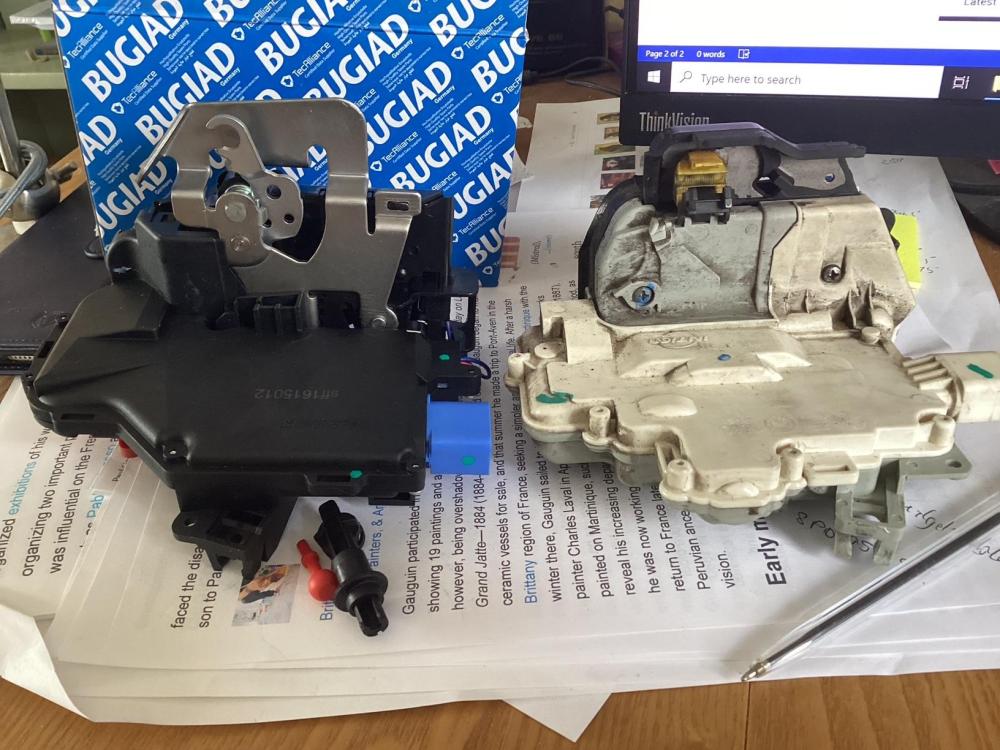
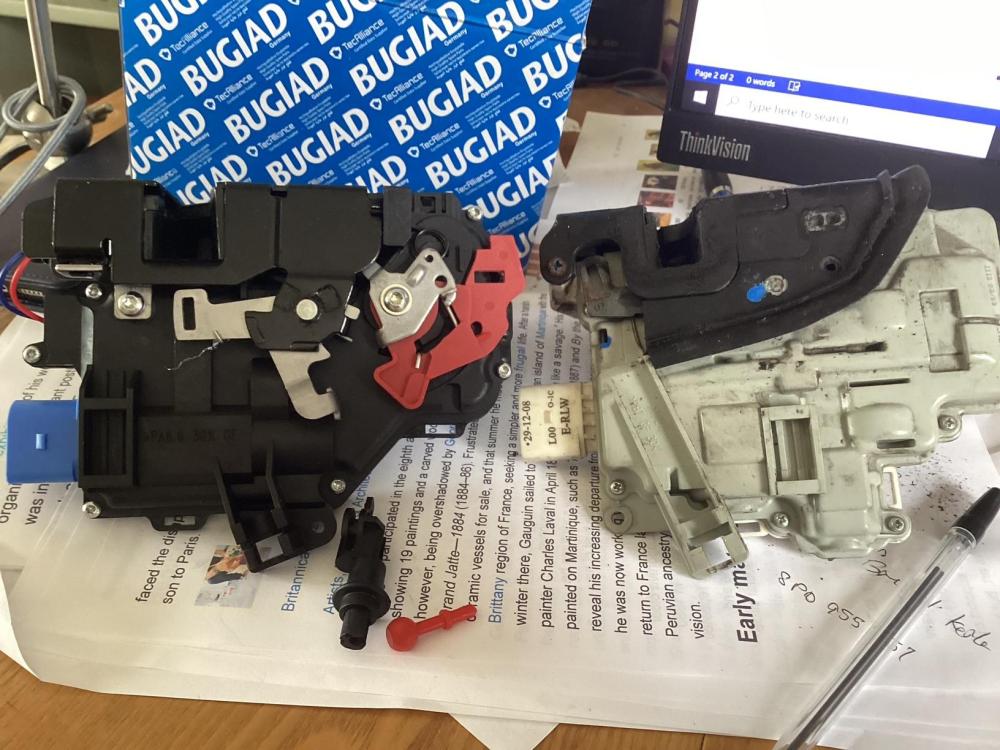
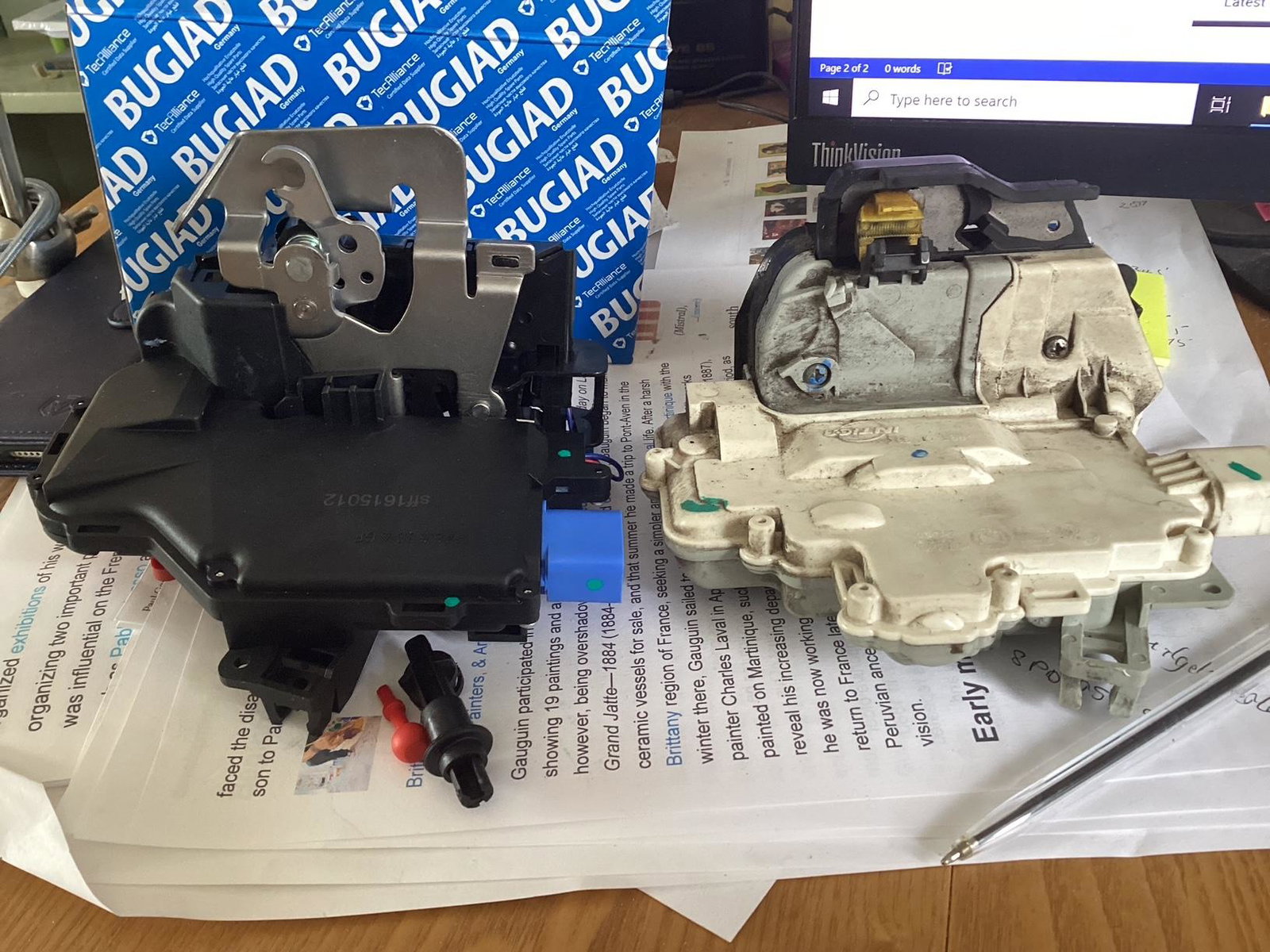
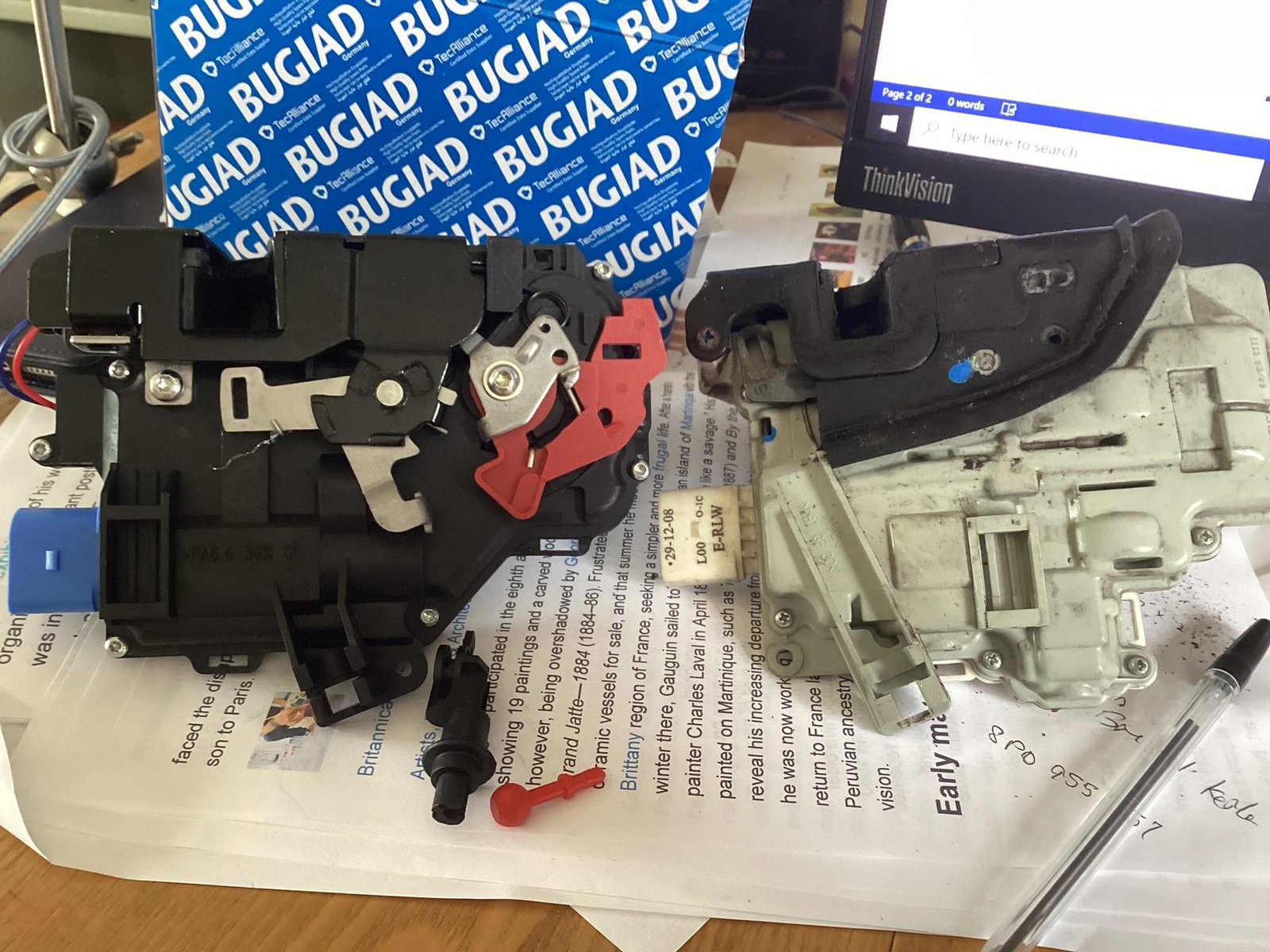
2009 Audi A3 cabriolet sports 1.8 tfsi. I just bought this knowing it had an 'intermittent' passenger door unlocking problem. It was actually permanent and manifests itself as being unable to open the passenger door (ie left) from outside after unlocking with the fob. Once opened from inside, it can be opened from outside. I've found VAG door lock problems are common so I've looked at loads of stuff online. I first checked the door pillar wiring and it all seems intact so I bought a new lock (actually I bought two from different sources) and was willing to try swapping the lock. I removed the lock yesterday and found that neither replacement would fit! One fitted electrically but not the meachanical linkage, the other fitted mechanically but had a slightly different plug! I'm returning them. I also found it's not that easy to check the wiring continuity because the loom into the lock plug is heavily braided so you can't easily see the wire colours or even how many there are without cutting the braiding. Having got this far, it seems sensible to check the wires and the voltages so I'd like advice on how to do this. Should I carefully cut throught the braiding? How many wires are in the plug, what colours are they and what voltages are they meant to be please? If it makes a difference, mine has that auto-locking as you gain speed. I'm assuming there should be three wires: an earth and a signal wire for operating the locking motor and another for unlocking the motor? But why are there so many pins? My second question is where can I get a replacement lock that will actually fit if the wiring all checks out and I still need to replace the lock? I have found it incredibly difficult to find the correct lock and there doesn't seem to be any markng on the lock itself to indicate the OEM number which would have helped. In the pictures, the dirty white one is mine!